
Differences Between Java and Javascript
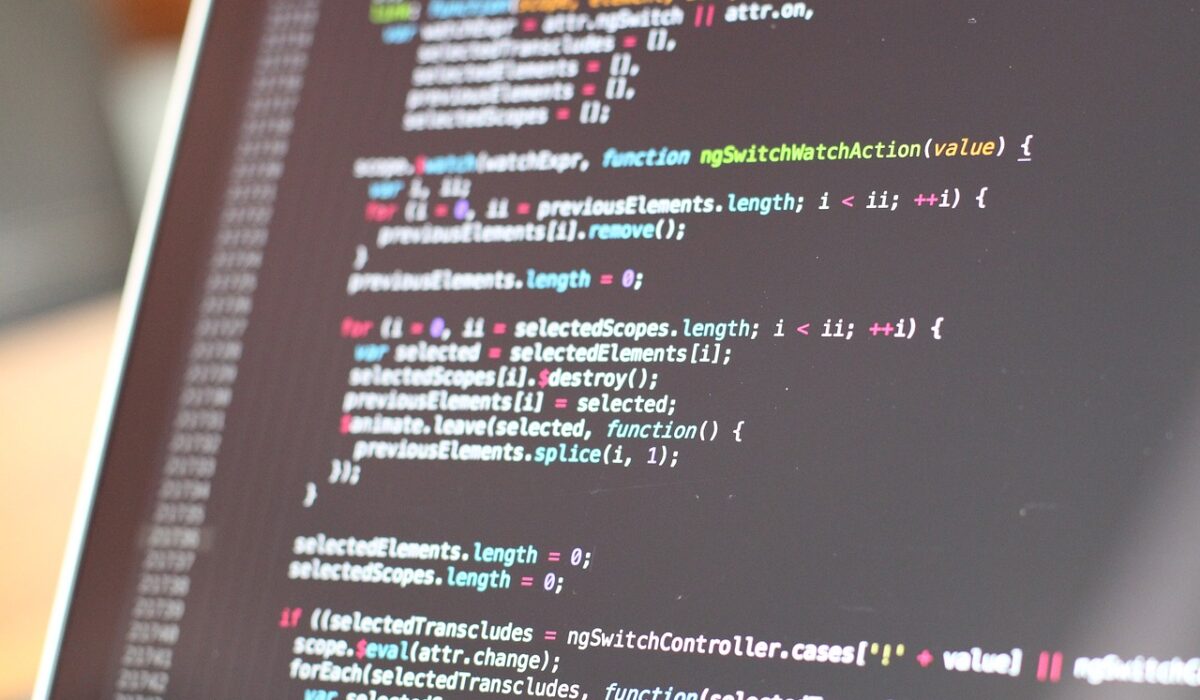
At first glance, the names of these two programming languages might suggest that they are related and very similar but, other than the name “Java” they have very little in common. Java is not a part of JavaScript, or neither is JavaScript and extension of Java and vice versa. They are different languages designed for specifically different purposes and needs at the time they were created, and they have very different architectures. But there is a common history behind these languages, hence why they ended up with similar names.
History
Sun Microsystems released first version of Java in 1995. Even though it was first designed for interactive television, it found its place in server-side programming, and it quickly gained traction. Sun Microsystems wanted to have a “write once, run anywhere” functionality, which became their slogan, to attract attention to Java’s cross platform benefits. The idea behind it was to be able to develop with Java on any device using Java Virtual Machine (JVM). JavaScript on the other hand was developed by Brendan Eich, who was hired by Netscape to write a programming language in the browser which could run quickly and give the web pages dynamism. But at the time Netscape started a deal with Sun Microsystems to use Java instead. The idea was to take the JVM and put it into the Netscape browser. In the end, instead of implementing a compiled language like Java which is a strongly typed object-oriented, classed-based language, they decided that there was a need of a fast, lightweight and dynamic scripting language that would live on the web page. The name for the language was initially going to be Mocha, but it got rejected, so it was called LiveScript in the beta stages which did not last as the name to the official release. Instead, Netscape struck a trademark deal with Sun Microsystems for the name rights to call the language “JavaScript” as a marketing ploy. So, that is as far as the similarities between Java and JavaScript goes.
Definition and Use Cases of The Languages
As mentioned before Java is a statically typed, object-oriented programming language. It is a rigid programming language on its own, but it is the most widely used programming language on the market. It is in favour with big enterprises (in banking, automotive, IoT etc.) when it comes to large scale applications, especially on the server-side applications. Java also is used to develop Android applications.
JavaScript on the other hand, is the dominant popular programming language of choice when it comes to client-side applications. Compared to Java, JavaScript is a loosely typed dynamic scripting language that runs within a browser. It was developed to be used alongside HTML and CSS to create dynamic and interactive web pages. The dynamism gives the language flexibility when it comes to syntax rules, data types and the relation between those data types. This also makes the language a lot more lightweight and simpler. A lot of open-source libraries broaden the capabilities of the language, like React, a front-end open-source library maintained by Meta for UI design, or Node.JS to even use it in back-end development. Both of these languages happen to be the primary choices in their opposite fields with Java being the dominant language on back-end and JavaScript in the front-end.
Differences and Advantages
As mentioned previously, Java is an object-oriented programming language. It is strongly typed, meaning that variables must be declared for them to be used. It has a class-based hierarchy, and you cannot make a program without creating any classes. JavaScript does not have any of these limitations. It is loosely typed and dynamic, it is not a class-based language, basic scripts can be run without the need of classes, object-oriented designs can be done but functional programming is how it is used the most, so the syntax is not as rigid and static as it is in Java. For example, in Java, the type of a variable must be declared (string, integer, boolean, array etc.) for the program to run and once it is declared, it cannot be changed to a different type. In contrast, in JavaScript, a type does not have to be declared and a variable can be changed from one data type to another. This is possible because JavaScript is a runtime language which allows the data types to be determined at runtime instead of compile-time like Java, where the program would not compile unless the variable is clearly declared.
Java uses JVM in which any Java application can run. A code written with Java will go through the compiler to be translated into bytecodes that will be run by JVM. Compared to Java, JavaScript is interpreted, not compiled. Because JavaScript is not a standalone language like Java and mainly lives within a web page, JavaScript codes will be interpreted by the browsers interpreter while the page is loading. Every browser has a JavaScript interpreter so any browser will suffice to run a JavaScript code. Multithreading is supported by Java, so it is possible to run multiple threats simultaneously unlike JavaScript where one task must finish before starting the next one.
Java has its own advantages which makes it excel in certain fields. The libraries and frameworks for Java, like Spring and Hibernate which have become an important part in enterprise applications, helped Java to become even more popular in server-side applications. JVM makes Java easy to compile, platform independent and very easy to move from one environment to another which also makes it very popular choice for IoT. It is very robust and safe, object-oriented programming helps with creating reusable codes and modular programs. All these features make it a top choice for building large projects and enterprise applications. The disadvantage of these features come with memory allocation and speed. Java tends to be slower than other languages and consumes more memory than others.
JavaScript is used in all the major websites. The easy to implement, fast, dynamic and lightweight design of JavaScript made it the first choice of client-side web development. All the major junctions within the websites from animations to fetching data to forms are done with JavaScript. It has a lot of libraries and framework that are widely used in the industry like React, Node.js, Vue.js, Angular that became staples of web development used alongside JavaScript. Even though with the libraries the language started to be used outside of the browser to create standalone apps or a server-side application, the limitations of it being an in-browser language makes the language less desirable for things other than web development but lack of complicated structures and types, makes the language more efficient and easier to learn.
So, in conclusion, Java and JavaScript are both very popular and widely used programming languages that dominate certain fields but other than a few libraries and framework that make these languages cross into the other sides field, when they are stripped to their basics, they are vastly different programming languages that does not have much of anything in common other than the word “Java”.
AUTHOR: VOLKAN BURHAN ÇEBİ